

The Mardi Himal Trek is a short and scenic trekking route in the Annapurna region of Nepal, perfect for those seeking a less crowded yet stunning Himalayan experience. This trek offers breathtaking views of Mardi Himal, Machapuchare (Fishtail), Annapurna South, and Hiunchuli.
Mardi Himal Trek
What Makes the Mardi Himal Trek Special
- Reach Mardi Himal Base Camp at 4,200m for breathtaking close-up views of Machapuchare (Fishtail Mountain), Annapurna South, and Hiunchuli without the crowds of busier trekking routes
- Walk through pristine rhododendron forests that burst into spectacular pink and red blooms during spring season, creating a natural wonderland along peaceful mountain trails
- Experience authentic Gurung village culture in traditional settlements like Landruk and Ghandruk, staying in family-run teahouses and learning about local customs and mountain life
- Enjoy dramatic ridge walks with panoramic 360-degree views of the entire Annapurna range, Dhaulagiri, and Manaslu peaks stretching across the horizon
- Trek along peaceful, less-crowded trails perfect for moderate-difficulty hiking, making this Mardi Himal Trek ideal for beginners and intermediate trekkers seeking authentic Himalayan experiences
- Witness stunning sunrise and sunset views from High Camp and Mardi Himal Base Camp, where golden light illuminates the sacred peaks in magical mountain moments
- Experience excellent winter trekking conditions – the Mardi Himal Trek in December offers crystal-clear mountain views and crisp weather perfect for photography enthusiasts
- Discover diverse landscapes ranging from subtropical forests and terraced farmlands to alpine meadows and high-altitude rocky terrain over 10 rewarding days
- Stay in comfortable mountain teahouses with warm hospitality, traditional dal bhat meals, and cozy accommodations that provide authentic mountain lodge experiences
Annapurna Basecamp (6Days) Treks,
Overview Of Mardi Himal Trek
The Mardi Himal Trek stands as one of Nepal’s most rewarding yet peaceful adventures, offering trekkers an intimate glimpse into the heart of the Annapurna region without the crowds that characterize more popular routes. As someone who has guided countless international adventurers along these pristine trails over the past two decades, I can confidently say this 10-day journey represents the perfect balance between accessibility and an authentic Himalayan experience.
Reaching a maximum altitude of approximately 4,200 meters at Mardi Himal Base Camp, this trek provides spectacular close-up views of Machapuchare (Fishtail Mountain), Annapurna South, and Hiunchuli. What makes the Mardi Himal Trek particularly special is its relatively recent opening to trekkers, meaning the trails remain unspoiled and the local communities retain their traditional warmth and authenticity. The route winds through enchanting rhododendron forests, alpine meadows, and traditional Gurung villages, creating a diverse tapestry of landscapes that change dramatically with each day’s walk.
The Mardi Himal trek difficulty is perfectly suited for beginners and intermediate trekkers seeking their first serious Himalayan adventure. Unlike the more demanding Everest Base Camp Trek or the longer Annapurna Circuit Trek, this route offers manageable daily walking distances of 4-6 hours, allowing ample time for acclimatization and cultural immersion. The well-maintained trails and strategically placed teahouses ensure comfort without compromising the wilderness experience that draws adventurers to Nepal’s mountains.
From a seasonal perspective, the Mardi Himal Trek in December presents unique opportunities for those seeking winter mountain views. While temperatures drop significantly at higher elevations, the crystal-clear skies often provide the most stunning mountain panoramas of the year. Spring (March-May) brings the famous rhododendron blooms, while autumn (September-November) offers stable weather and excellent visibility. Each season transforms the trek into a different adventure, though proper preparation becomes essential during the winter months.
The Mardi Himal trek cost remains remarkably reasonable compared to other Annapurna region treks, making it an excellent choice for budget-conscious travelers who refuse to compromise on quality. Our comprehensive 10-day package includes all necessary permits ACAP, experienced English-speaking guides, comfortable teahouse accommodations, three meals daily, and ground transportation. This transparent pricing structure eliminates hidden costs and allows trekkers to focus entirely on the mountain experience.
What distinguishes this short Mardi Himal trek from alternatives like the Annapurna Base Camp Trek is its sense of discovery and solitude. While ABC attracts hundreds of trekkers daily, Mardi Himal’s trails offer peaceful mornings where the only sounds are rustling leaves and distant bird calls. The ridge walks provide panoramic views that rival any in the Himalayas, yet you’ll often find yourself alone with the mountains, creating those profound moments that define transformative travel experiences.
The cultural aspect of this Machapuchare view trek cannot be overstated. Staying in family-run teahouses in villages like Deurali and Forest Camp allows genuine interactions with local Gurung and Magar communities. These encounters, combined with the spiritual significance of Machapuchare (considered sacred and never climbed), create connections that extend far beyond typical tourist experiences. Many guests tell me years later that their conversations with local families remain their most treasured memories.
For those seeking to explore more of Nepal’s incredible diversity, this trek pairs beautifully with a Kathmandu City Tour either before or after the mountain adventure. The contrast between ancient temples and pristine wilderness creates a comprehensive understanding of Nepal’s rich heritage.
As your trusted guide to Nepal’s mountains, I encourage adventurous spirits to embrace this best short trek in Nepal. The Mardi Himal Trek offers everything that draws people to the Himalayas – stunning views, cultural authenticity, physical challenge, and spiritual renewal – compressed into an accessible 10-day format. Book your adventure with Majestic Trails Nepal today, and discover why this hidden gem continues to exceed expectations for trekkers from around the world. Whether you’re planning your first Himalayan adventure or adding another spectacular route to your collection, these trails await your footsteps.
Itinerary of Mardi Himal Trek
Kathmandu
Welcome to Nepal! Upon landing at Tribhuvan International Airport, your Majestic Trails Nepal representative will greet you with a traditional khata (welcome scarf) and transfer you to your hotel in Thamel.
After freshening up, join us for an afternoon trek briefing where we’ll:
- Verify your trekking permits and travel insurance
- Conduct a gear check (we provide rental equipment if needed)
- Review the Mardi Himal Trek map and discuss weather conditions
- Answer any last-minute questions
Evening: Enjoy a welcome dinner featuring authentic Nepali cuisine—the perfect opportunity to meet your fellow trekkers and guides.
Today, you’ll travel to Pokhara—Nepal’s adventure capital and the launching point for your Mardi Himal Trek from Pokhara.
Option A – Scenic Flight (25 minutes):
Soar above the hills with breathtaking views of the Himalayan range, including distant glimpses of the peaks you’ll soon approach on foot. Additional Cost – $110
Option B – Overland Drive (6-7 hours):
Travel along the Prithvi Highway, winding through river gorges and terraced hillsides. We stop for lunch at a riverside restaurant and for photo opportunities along the way.
Arriving in Pokhara, you’ll have the afternoon free to explore the lakeside district, rent a boat on Phewa Lake, or simply relax before the trek begins. On clear evenings, Machapuchare’s reflection shimmers on the lake—a preview of the views ahead.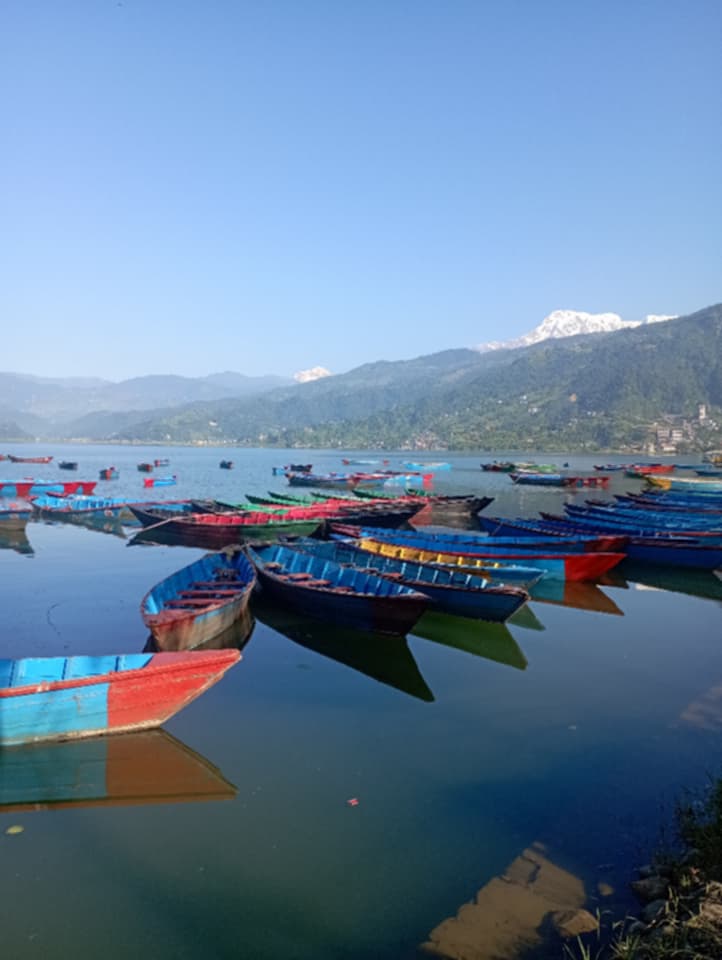
Day 3: Drive from Pokhara to Kande (1,770m) and Trek to Deurali (2,125m)
Your Mardi Himal Trek begins today! After an early breakfast, we drive to Kande—a small settlement on the Pokhara-Baglung highway marking the trailhead.
The trek starts with a gradual ascent through terraced farmland and oak-rhododendron forests. The trail is well-marked and relatively easy, perfect for warming up your trekking legs.
After approximately 2-3 hours, you’ll reach Deurali (also known as Australian Camp), a beautiful ridge settlement offering your first major Himalayan panorama. On clear days, the views stretch from Dhaulagiri in the west to the Annapurna massif and Machapuchare in the east.
Watch the sunset paint the peaks in alpenglow—this is just the beginning of the spectacular Mardi Himal Trek experience.
Day 4: Trek from Deurali to Forest Camp (2,600m)
Today’s trek takes you deeper into the wilderness, following a beautiful ridge trail that separates the Mardi Himal and Annapurna Base Camp routes.
The path winds through enchanting rhododendron forests—during spring (March-May), these ancient trees explode in brilliant reds, pinks, and whites. Even outside blooming season, the twisted trunks draped in moss create a mystical atmosphere.
Keep your eyes and ears open for wildlife. This section of the Mardi Himal Trek is known for:
- Danphe (Himalayan Monal) – Nepal’s colorful national bird
- Langur monkeys moving through the canopy
- Occasionally, the elusive Himalayan tahr
Forest Camp Mardi Himal is a small, intimate settlement with just a handful of teahouses. The remote atmosphere and genuine hospitality here offer a stark contrast to busier trails elsewhere in Nepal.
{“remix_data”:[],”remix_entry_point”:”challenges”,”source_tags”:[“local”],”origin”:”unknown”,”total_draw_time”:0,”total_draw_actions”:0,”layers_used”:0,”brushes_used”:0,”photos_added”:0,”total_editor_actions”:{},”tools_used”:{“clone”:1,”transform”:2,”effects”:1},”is_sticker”:false,”edited_since_last_sticker_save”:true,”containsFTESticker”:false}
Day 5: Trek from Forest Camp (2,600m) to High Camp (3,580m)
This is the most significant altitude-gain day of your Mardi Himal Trek, and the landscape transformation is remarkable.
Leaving the forest behind, you’ll ascend through Low Camp (2,970m)—a good spot for a mid-morning tea break—before continuing upward as the trees thin and eventually give way to high-altitude grasslands.
The final approach to High Camp Mardi Himal is steep but rewarding. With every step, the mountain views become more dramatic. Machapuchare’s shark-fin summit dominates the northern horizon, while Mardi Himal itself now feels tantalizingly close.
Arriving at High Camp, you’ll understand why experienced trekkers rate this as one of Nepal’s finest viewpoints. The evening light on the peaks is simply spectacular.
Important: Proper acclimatization is crucial today. Walk slowly, stay hydrated, and inform your guide immediately if you experience any altitude-related symptoms.
Day 6: Hike to Mardi Himal Viewpoint (4,200m) and Trek to Low Camp (2,970m)
The day you’ve been waiting for.
Starting before dawn, you’ll ascend the final 600 meters to Mardi Himal Viewpoint—the crown jewel of this entire trek.
The trail from High Camp follows a steep but straightforward ridge, with fixed ropes assisting on the final scramble. Take your time; the thin air at this Mardi Himal Trek altitude demands respect.
Reaching the viewpoint as the first rays of sunlight strike the Annapurna giants is a transcendent experience. Before you stands:
Machapuchare (6,993m) – The sacred “Fishtail” mountain, unclimbed and revered
Annapurna I (8,091m) – The world’s 10th highest peak
Annapurna South (7,219m) – A massive ice wall dominates the western view
Hiunchuli (6,441m) – A stunning peak guarding the Annapurna Sanctuary
Mardi Himal (5,587m) – The mountain that lends its name to your journey
Spend an hour soaking in the views, taking photographs, and savoring this hard-earned achievement. Then begin the descent—first back to High Camp for breakfast, then continuing down to Low Camp.
The descent is steep; trekking poles are essential. By late afternoon, you’ll settle into Low Camp for a well-deserved rest.
I am text block. Click edit button to change this text. Lorem ipsum dolor sit amet, consectetur adipiscing elit. Ut elit tellus, luctus nec ullamcorper mattis, pulvinar dapibus leo.
Day 7: Low Camp to Siding Village - Return to Pokhara
Your final trekking day follows an alternative descent route, completing a satisfying loop rather than backtracking.
The trail drops through forests and past seasonal shepherd camps before reaching Siding Village, Mardi Himal—a peaceful Gurung settlement where traditional mountain life continues largely unchanged.
From Siding, our private vehicle awaits for the 2-hour drive back to Pokhara. By late afternoon, you’ll be back at your lakeside hotel with hot showers, cold drinks, and a profound sense of accomplishment.
Evening: Celebrate your successful Mardi Himal Trek with a special farewell dinner in Pokhara. Lakeside restaurants offer everything from authentic dal bhat to international cuisine.
Day 8: Drive or Fly from Pokhara to Kathmandu
After a leisurely breakfast with final views of the Annapurna range, you’ll return to Kathmandu by your preferred transport.
The afternoon is free for:
Shopping in Thamel for authentic Nepali handicrafts
Visiting Boudhanath Stupa or Pashupatinath Temple
Relaxing with a traditional Ayurvedic massage
Packing and preparing for departure
Evening: Final group dinner (optional) to share Mardi Himal Trek photos and swap stories with new friends.
Day 9: Departure from Kathmandu
Your Mardi Himal Trek adventure concludes today. We provide airport transfers timed to your flight departure—whether that’s an early morning departure or an afternoon flight.
As you board your flight, the images of sunrise over Machapuchare, the twisted rhododendron forests, and the warmth of Nepali hospitality will remain with you long after you’ve left the mountains behind.
Didn’t get enough? Many trekkers return for extended adventures—Annapurna Circuit, Everest Base Camp, or the challenging Upper Mustang. Let us know, and we’ll help plan your next Himalayan journey.
Mardi Himal Treks
$7909 Days
- Us 790$ Book Now
Mardi Himal Treks
Hover Box Element
Click edit button to change this text. Lorem ipsum dolor sit amet, consectetur adipiscing elit. Ut elit tellus, luctus nec ullamcorper mattis, pulvinar dapibus leo.
Hover Box Element
Hover Box Element
Click edit button to change this text. Lorem ipsum dolor sit amet, consectetur adipiscing elit. Ut elit tellus, luctus nec ullamcorper mattis, pulvinar dapibus leo.
Hover Box Element
Hover Box Element
Click edit button to change this text. Lorem ipsum dolor sit amet, consectetur adipiscing elit. Ut elit tellus, luctus nec ullamcorper mattis, pulvinar dapibus leo.
Hover Box Element
Hover Box Element
Click edit button to change this text. Lorem ipsum dolor sit amet, consectetur adipiscing elit. Ut elit tellus, luctus nec ullamcorper mattis, pulvinar dapibus leo.
Hover Box Element
Hover Box Element
Click edit button to change this text. Lorem ipsum dolor sit amet, consectetur adipiscing elit. Ut elit tellus, luctus nec ullamcorper mattis, pulvinar dapibus leo.
Includes
- Airport Transfers: Pick-up and drop-off from Tribhuvan International Airport in Kathmandu.
- Accommodation: 3-star hotel in Kathmandu and Pokhara, teahouse accommodation during the trek.
- Meals: Breakfast in Kathmandu and Pokhara; full board (breakfast, lunch, and dinner) during the trek.
- Internal Flights: Kathmandu to Pokhara flight (if flight option is chosen; additional $110 for flight).
- Transportation: Private vehicle for all road transfers..
- Guide and Porter: Experienced, English-speaking guide and necessary porters for carrying luggage.
- Trekking Permits: Annapurna Conservation Area Permit (ACAP)
- Farewell Dinner: Traditional Nepali dinner in Kathmandu on the last night.
- First Aid Kit: Basic first aid kit with the guide during the trek.
- Local Taxes: All applicable government taxes and service charges
Doesn't Include
International Flights: Flights to and from Kathmandu are not included.
Visa Fees: Nepal visa fees (available on arrival at Tribhuvan International Airport).
Meals in Kathmandu and Pokhara: Meals outside of the trekking days (in Kathmandu and Pokhara) are not included.
Travel Insurance: Comprehensive travel insurance (including helicopter evacuation if necessary) is mandatory and not included.
Personal Expenses: Snacks, drinks, hot showers, laundry, Wi-Fi, and other personal expenses.
Additional Flights: If you opt for a flight from Pokhara to Kathmandu ($110), it is not included in the base price.
Tips: Tips for guides, porters, and other staff.
Any Other Not Mentioned: Any other expenses not specifically mentioned in the itinerary.
Mardi Himal Trek – Trip Information & Details
Best Time for Mardi Himal Trek
Choosing the right season dramatically impacts your Mardi Himal Trek experience. Nepal’s weather patterns create distinct trekking seasons, each with unique advantages.
Autumn (September – November) ⭐ TOP CHOICE
Weather: Clear skies, stable conditions, minimal rainfall
Temperatures: 10-20°C (days), -5 to 5°C (nights at High Camp)
Visibility: Excellent—best for photography
Crowds: Moderate (but still less than major trails)
Autumn is the best time for the Mardi Himal Trek without question. Post-monsoon conditions deliver crystal-clear mountain views, comfortable trekking temperatures, and reliable weather patterns. The forest foliage adds golden hues to the landscape.
Spring (March – May) ⭐ EXCELLENT
Weather: Warming temperatures, occasional afternoon clouds
Temperatures: 12-22°C (days), 0-8°C (nights at High Camp)
Visibility: Good, best in early morning
Crowds: Moderate
Spring brings the famous rhododendron blooms—an explosion of color that transforms Forest Camp into a botanical wonderland. Late May can see pre-monsoon cloud buildup, so March-April is optimal.
Early Winter (December – February)
Weather: Cold but often clear
Temperatures: 5-15°C (days), -10 to -5°C (nights at High Camp)
Visibility: Excellent when clear
Crowds: Low
For experienced trekkers prepared for cold temperatures, winter offers pristine conditions and virtual solitude. Snow may cover higher sections, adding to the scenic beauty but requiring proper gear.
Late Monsoon (September)
Early September marks the monsoon’s retreat. Conditions improve rapidly, and fewer trekkers mean more intimate experiences.
Monsoon (June – August)
Heavy rainfall makes trails slippery and dangerous. Leeches are active in lower forests. Cloud cover obscures mountain views. We do not recommend the Mardi Himal Trek during the monsoon months.
Weather Patterns by Altitude
Location Autumn Temps Spring Temps Winter Temps
Pokhara (820m) 15-28°C 18-32°C 8-22°C
Forest Camp (2,600m) 8-18°C 10-20°C 0-12°C
High Camp (3,580m) 2-12°C 5-15°C -8-5°C
Viewpoint (4,200m) -5-8°C 0-10°C -15-0°C
Understanding Mardi Himal Trek weather patterns helps you pack appropriately and set realistic expectations for your journey.
Mardi Himal Trek Route Map & Transportation
Route Overview
The Mardi Himal Trek map shows a beautiful loop route, avoiding backtracking and maximizing scenic variety:
Outbound Route:
Kande → Deurali (Australian Camp) → Forest Camp → Low Camp → High Camp → Mardi Himal Viewpoint
Return Route:
Mardi Himal Viewpoint → High Camp → Low Camp → Siding Village → Pokhara
This circular itinerary means you’ll experience different perspectives of the mountains throughout your journey.
Transportation Details
Kathmandu to Pokhara:
- By Air (25 minutes): Multiple daily flights on Buddha Air, Yeti Airlines. Scenic views of Himalayan peaks. The premium package includes flights.
- By Road (6-7 hours): Modern tourist bus or private jeep via Prithvi Highway. Winding but scenic route following river valleys.
Pokhara to Kande (Trek Start):
- Private jeep (1 hour): Through the outskirts of Pokhara to the trailhead. All transfers are included in the package.
Siding Village to Pokhara (Trek End):
- Private jeep (2 hours): Descent through the foothills back to lakeside Pokhara.
Trail Conditions
The Mardi Himal route varies significantly:
| Section | Trail Type | Difficulty |
|---|---|---|
| Kande to Deurali | Stone steps, forest trail | Easy |
| Deurali to Forest Camp | Ridge trail, tree roots | Easy-Moderate |
| Forest Camp to Low Camp | Steep forest ascent | Moderate |
| Low Camp to High Camp | Steep alpine terrain | Moderate-Hard |
| High Camp to Viewpoint | Rocky ridge, some scrambling | Hard |
GPS and Navigation
While our guides know the route intimately, we recommend:
- Downloading offline maps (Maps.me or Avenza)
- Carrying a physical Mardi Himal Trek map as backup
- Our team provides route briefings each evening
Why Book Mardi Himal Trek with Explorer Trails Nepal – Personalized and Authentic Trekking Experiences?
Founded by experienced Guide with over 10 years of guiding expertise on Trekking in Nepal
Hundreds of genuine five-star reviews across TripAdvisor, Google, and social media.
Honest pricing with no hidden costs, ensuring reliability and value.
Fully personalized itineraries accommodating extra days, private guides, or unique trekking experiences.
Supporting sustainable tourism and local communities.
Professional English-speaking guides supported by local Sherpa porters for safety at high altitudes.
Comprehensive emergency care including first aid kits, essential trekking gear, oximeters, and reliable helicopter rescue arrangements.
Strong connections with local vendors and trusted partners, ensuring smooth flights, helicopter services, and full support during emergencies.
Mardi Himal Trek Difficulty, Altitude & Fitness Level
One of the most common questions we receive: “Is Mardi Himal Trek difficult?”
The honest answer: It’s moderate—challenging enough to feel rewarding, but accessible to most reasonably fit trekkers.
Difficulty Rating: Moderate
The Mardi Himal Trek difficulty falls between easy trails like Ghorepani Poon Hill and demanding expeditions like Everest Base Camp.
Challenging Aspects:
Significant altitude gain (reaching 4,200m)
Some steep sections, particularly Day 5 and the viewpoint climb
Basic teahouse facilities at higher camps
Cold temperatures at altitude
Accessible Aspects:
Relatively short trekking days (4-7 hours)
Well-marked trail throughout
No technical climbing required
Teahouse accommodation (no camping)
Only 5 actual trekking days
Altitude Considerations
The maximum Mardi Himal Trek altitude of 4,200m places you firmly in high-altitude territory where Acute Mountain Sickness (AMS) is a real concern.
Our Acclimatization Strategy:
Gradual altitude gain—never exceeding 500-600m per day
“Climb high, sleep low” principle (viewpoint excursion, then descend)
Mandatory rest stops for hydration and symptom monitoring
Experienced guides trained in altitude sickness recognition
Emergency descent protocols and evacuation plans
Common Altitude Symptoms (usually mild at this elevation):
Mild headache
Slight breathlessness
Difficulty sleeping
Reduced appetite
Our guides monitor every trekker daily and will adjust the pace or itinerary if needed. Your safety always comes first.
Required Fitness Level
You don’t need to be an athlete, but you should be:
✅ Able to walk 5-7 hours daily on varied terrain
✅ Comfortable hiking uphill for extended periods
✅ Free from serious medical conditions affecting the heart, lungs, or circulation
✅ Prepared for basic accommodation without luxury amenities
Pre-Trek Training Recommendations
Starting 6-8 weeks before your trek:
Cardiovascular training (running, cycling, swimming) 3-4 times weekly
Hill walks or stair climbing with a loaded backpack
Leg strength exercises (squats, lunges)
Core strengthening for stability on uneven terrain
2 weeks before:
Reduce intensity, focus on rest
Break in your trekking boots
Trekkers who arrive in reasonable physical condition report more enjoyment and less fatigue throughout their Mardi Himal Trek.
Mardi Himal Trek Permits & Regulations
Trekking in Nepal’s protected areas requires proper documentation. Here’s everything you need to know about Mardi Himal Trek permit requirements.
Required Permits
1. ACAP (Annapurna Conservation Area Permit)
- Cost: NPR 3,000 (~$23 USD) for foreign nationals
- Purpose: Funds conservation efforts in the Annapurna region
- Where to obtain: Tourism Board offices in Kathmandu or Pokhara
- Validity: Duration of your trek
Good news: When you book with Majestic Trails Nepal, all permits are included in your package. We handle the paperwork so you can focus on your adventure.
Regulations to Know
Check-Posts:
You’ll pass through several checkpoints where permits are verified. Always carry your permits and passport.
Environmental Rules:
- No littering—carry all waste
- No removing plants, rocks, or cultural artifacts
- No playing loud music on trails
- Respect local customs and photography permissions