Nabaraj Tamang 🇳🇵+977 984 116 8709

Upper Dolpo Circuit Treks (24Days)

Descripation to Upper Dolpo Circuit Treks

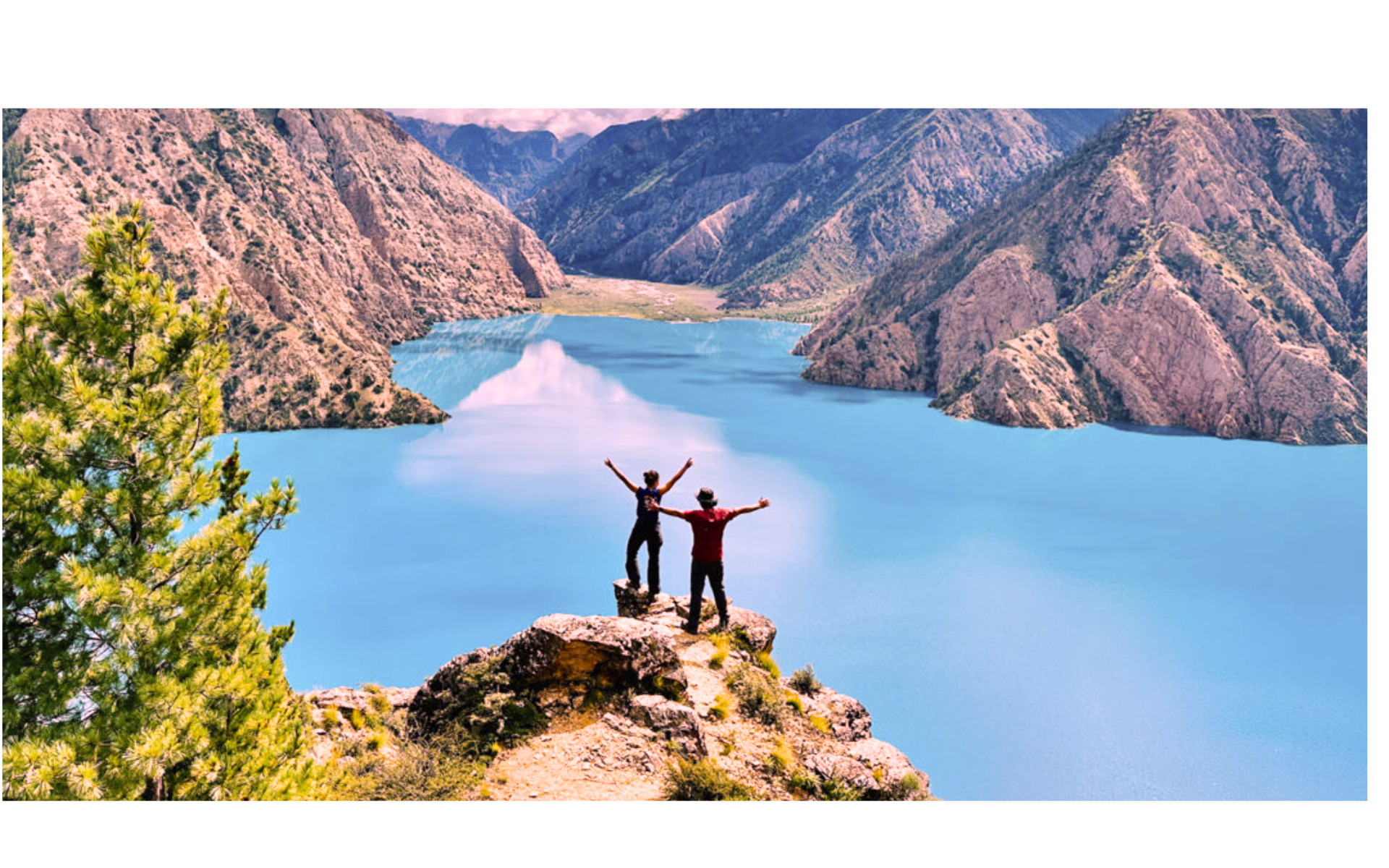
Dolpo lies in the remote north west of Nepal, between the Tibetan Plateau and Dhaulagiri mountain ranges. The Upper Dolpo trek takes in, as the name suggests, the upper part of this region, which is even more remote and rarely visited. Only opened to visitors at the end of the 1980s, Upper Dolpo is still considered a restricted area and requires a special permit.

Phoksundo Lake; Shey Gompa; Bon Po practitioners; Buddhist monasteries; views of Dhaulagiri; Crystal Mountain (a mountain whose cliffs are laced with quartz and marine fossils); unique Tibetan cultures; the magnificent and rare snow leopard – all of these may sound familiar. And yes, they are, made so through Peter Matthiessen’s book “The Snow Leopard” and Eric Valli’s film of Dolpo life, ‘Himalaya’.

While Dolpo is in general a dry, bare place, it is laced with fast flowing rivers, roaring waterfalls, deep river gorges, lush meadows, and valleys of tilled fields. Remote villages with interesting cultures, including the Bon Po religion, and of course the beautiful icy waters of Phoksundo Lake are other attractions in this region. As part of Dolpo falls within the Shey Phoksundo National Park, the wildlife, such as the snow leopard, rare Himalayan blue sheep, goral, thar, Himalayan black bear etc. is protected.

This three week trek is not for the faint-hearted as trails are difficult, high, steep, shaky, and sometimes barely there. Long walking days at high altitude are the norm with several high passes to cross, but for those with the stamina, fitness level and sheer willpower, this trek is definitely a once-in a lifetime trip.
Upper Dolpo Circuit Treks Highlights

– Follow the footprints of the ancient trans-Himalayan traders
– Explore the region in a dry weather without worrying about the rain

– Amazing time on this trek around the lake, Crystal    mountain, and the views of Dhaulagiri

– Catch a view of diverse flora and fauna in the Shey Phoksundo National Park

– Get an insight into the life and culture of the followers of Bon Buddhism

Remote Unexplored 9% Off

Price Per Person
$4190 USD

Satsifed Client

Personalised Guide

Instant Respone

Not satisfied with this Itinerary?
Are you interested on planning custom trip? It only takes 2 minutes.


Nagarkot Day Hiking

  • Posted by rajiv
  • On February 1, 2026

Manaslu circuit trek

  • Posted by hadmin
  • On November 29, 2024

Manang

  • Posted by hadmin
  • On November 29, 2024

Upper Dolpo Circuit Treks Itineary

Nepalgunj

After breakfast, your guide will collect you from your hotel and take you to the domestic terminal of the Tribhuvan International Airport. There you will board your short flight to Nepalgunj.

Situated in the western part of the Terai, as the lowland area of Nepal is called, Nepalgunj has a border crossing to India. Because of this, it takes on a feel of being a mix of Nepal and India. There is time to explore some of the locations, such as temples, in this area before dinner.

Over dinner, your guide will brief you about the upcoming journey.

Notes: Flight schedules may change due to weather.

Dunai

After breakfast, it’s back to the airport to catch a morning flight to Jhupal. You are leaving the Terai behind and entering the mountains.

On arrival at Jhupal airport, you will meet your porters and camping crew. There will be time for a cup of tea and a snack before setting off to hike the part of the trek.

Although it’s an easy hike today, the trail ascends above the Thulo Bheri Valley and through cultivated fields to the village of Kalagaunda. Continue past Roop Ghar village which has a traditional water mill, following the river, and on to Dunai.

Note: These timings are approximate and may change based on trekking pace and trail conditions.

Sulighat

After breakfast you descend through juniper and pine forests and cross a wooden bridge, ascending again through a valley which offers you fantastic views of the mountains Once you have reached the highest point, you will also get a great view of the valley below.

There is a checkpoint at Silughar where they will inspect your permits.  Now you have officially entered Shey Phoksundo National Park!  This is also the first-night camping.

Note: Trekkers must register their permits here before continuing toward Phoksundo Lake.

Ankhe

You will be hiking through the Thulo Bheri Valley and then through the Phoksundo River Valley, starting with a steep climb out of Dunai.

The trail consists of a lot of ups and downs; one of them being to a ridge with a great view of Kagmara Peak which you can see further up the valley.  There are also small settlements to cross: Dhera known for its walnut groves, and Rahagaun known for its gompa dedicated to the guardian of the village – Mastha.

As you continue, there is a canyon to descend into where the forest is dense and chilly. Then cross a river to finally reach Ankhe village.

Note: The trail around Ankhe involves steep ascents and descents.

Ankhe

You will be hiking through the Thulo Bheri Valley and then through the Phoksundo River Valley, starting with a steep climb out of Dunai.

The trail consists of a lot of ups and downs; one of them being to a ridge with a great view of Kagmara Peak which you can see further up the valley.  There are also small settlements to cross: Dhera known for its walnut groves, and Rahagaun known for its gompa dedicated to the guardian of the village – Mastha.

As you continue, there is a canyon to descend into where the forest is dense and chilly. Then cross a river to finally reach Ankhe village.

Note: The trail around Ankhe involves steep ascents and descents.

Phoksundo Lake

Today is one of the main highlights of this trek – today you will reach Phoksundo Lake!

You will see the confluence of two rivers today also – the Phoksundo and the Pungmo rivers.  You will also see Phoksundo waterfall, one of the highest waterfalls in Nepal.  From here there are great views of the lake itself.

On the way to the lake, we pass through Ringmo Village, the nearest settlement to Phoksundo.  This little village has mani walls  (walls made of stones with Buddhist mantras carved into them) and chortens (stupas) making it known to all that the inhabitants follow Tibetan Buddhism.

It is here you will get your permits checked again as you are now about to enter the Shey Phoksundo National Park which you can see ahead.

Tonight, the camp is set up near the Phoksundo Lake with its clear turquoise waters. What a setting!

You may have seen Phoksundo Lake in the late 1990’s film by Eric Valli, ‘Himalaya’, now see it for real.

Note: Swimming or bathing in the lake is prohibited as it is a sacred site

Ringmo Village

Enjoy a leisurely breakfast in this perfect setting of a campsite.

You could, if you are feeling energetic, hike back to take a closer look at Ringmo village. Or you could simply enjoy the environment and do a little yoga or meditation – what a setting for meditation!

Did you know Dolpo and Phoksundo Lake star in Eric Valli’s 1999 film ‘Himalaya’?

This fictional film, yet very realistic of the local lifestyle in many ways, tells the story of villagers who take a caravan of yaks across the mountains carrying salt to trade for grain in the lowlands.

The film shows the rivalry between the chief of the tribe, Tinle,  and a young herdsman, Karma.  The film unfolds and eventually, Tinle dies in the mountains as a result of a snowstorm. Tinle’s monastic son, Norbu,  honors his father by painting a monastery wall with the caravan’s adventures.

Whereas the main actors, Gurgon Kyap as Karma and Lhakpa Tsamchoe as love interest Pema, are not from Nepal, Thinle Lhondup, as Tinle, was a native of Dolpo with no previous acting experience.

Sadly, Thinle died in 2016 in Dolpo – as he would have wanted we believe.    Mention should go to the many other locals who played in this film, and to Nepal’s own Jampa Kalsang who went on to star in many other film productions.

Notes: Use this rest day to relax, explore Ringmo village, or simply enjoy the breathtaking scenery.

Phoksundo Khola

Start the day by following the eastern shore of Phoksundo Lake on a relatively flat trail along a riverbed then come to meadows scattered with boulders.  With the wonderful lake nearby and Kanjirowa Himal overhead, this is a stunning day’s trek.

Note: Camping facilities are basic, with no tea houses along the route—ensure you have enough supplies.

Phoksundo Bhanjyang

Today’s hike starts by ascending through a narrow trail that takes you through a glacier valley.  You will cross various mountain streams several times today until there is a long climb up to a green pasture which you cross to reach another valley (via an ascent) with views of the Kang La Pass and other peaks such as Chhamlang.

Note: The trail to Phoksundo Bhanjyang is steep and demanding, requiring good physical fitness.

Shey Gompa

After breakfast, be prepared for a strenuous hike over the Kang La Pass at 5,350 m / 17,552.4 ft.  This is one of the hardest days on the trek although you are rewarded by fantastic panorama views from the top of the prayer flag-covered pass.

The downhill section starts steep but then becomes more gradual as you get closer to Shey Gompa.  The village is very small, with only a few houses, but it is the monastery that is the main attraction.

Mythology tells that Shey Gompa was built when a follower of Buddha arrived on the back of a flying snow lion to fight a fierce local mountain spirit. Shey Gompa was built on the site of this battle.    Situated nearby is Crystal Mountain.

Note: The high altitude and rugged terrain make proper acclimatization essential before reaching this sacred site.

Shey Gompa

After breakfast take the time to explore the surroundings including Crystal Mountain, which is sometimes called the Kailash of Dolpo.

With Shey Gompa being the most revered monastery in Dolpo, the nearby Crystal Mountain also holds spiritual significance to Buddhists.

The mountain gets its name from the veins of quartz crystal on the base of the mountain, which sparkle in the sunlight. During the full moon in July/ August, many pilgrims come to circumnavigate the mountain. This is a very interesting time to visit.

Note: The high altitude requires proper acclimatization—avoid strenuous activity and stay hydrated.

Namduna Gaon Gompa

Today view the Tibetan Plateau from the top of a pass.  Look the other way and see Mustang in Nepal to the east.

After hiking over the past, you will descend into grazing pastures and fields that surround Nam Gaun Gompa.  There are likely to be nomadic tents, made of yak hair, on the pastures as the herders graze their yaks and sheep.

There is another gompa, Namduna  Gaun, to visit and compare to others you have visited.

Note: The trek to Namduna Gaun involves steep climbs and rugged terrain.

Saldang

The first task of the day is to climb to the top of the valley from where you can see fertile patches of cultivated land.  Then continue downwards towards Saldang.

Saldang is the largest village in Inner Dolpo situated in the dry trans-Himalayan zone.  It is not one, but five settlements spread over a large open slope.  Being in such a strategic location on the trade route between Tibet and Nepal, Saldang has been quite a prosperous village. And remains an interesting village to experience.

Note: The terrain leading to Saldang is challenging, so proper acclimatization is necessary.

Yangze Gompa

It’s a short hike today along a windswept path at the side of the Nagon Khola (river).  You will hike through the villages of Marang and Ki and cross the Panzang River to reach Yangze Gompa.
It is thought Yangze Gompa is over 1,000 years old – it certainly looks impressive because of its size and many chortens (stupas).
Take time to explore the gompa and join the monks at evening prayers.
Note: The trek to Yangze Gompa involves steep and rugged trails, making it physically demanding.

Sibu

By now you are very familiar with the many gompas in Dolpo, and today you will pass more on your trek to Sibu.

Tonight, the camp will be made on the river bank near Sibu, another beautiful location to be sleeping under the stars.

Note: The trail leading to Sibu is relatively moderate, but the following day involves a steep ascent toward Jeng La Pass.

Jeng La Phedi

Jeng La Phedi means ‘Jeng La Pass base’ so as you can imagine, you will be reaching the base of this pass today in order to climb over it tomorrow.

Following the Nagon Khola (river)  you may see yak caravans  on the trail as they head to their grazing grounds.  Overall, today the trail is rocky hills at high altitude with strong, and cold winds.

Thankfully there is hot tea, followed by dinner, waiting at the campsite.

Note: The trail to Jeng La Phedi can be steep and rocky, so good physical fitness and acclimatization are essential before tackling the pass.

Day hiking Nagarkot Whole year

Tokyu

Today you will go over the Jeng La Pass at 5,150 m / 16,900 feet. Although not a long climb to the top (around 2 hrs) it is steep and challenging due to the high altitude.  From the top the views of the Dhaulagiri Massif are stunning.

Descend to the Tarap Valley  and its extensive plains and with the Tarap Chu (river) running through it.  On this flat land there are around 10 villages to be found, each with their cultivated lands, gompas and chortens.

Note: Trekkers should be prepared for a rustic experience and carry necessary supplies.

Day hiking Nagarkot Whole year

Day hiking Nagarkot Whole year

Dho Tarap

After breakfast, hike to Dho Tarap which sits in a fertile valley with plenty of agricultural land/ Buckwheat, barley, and potatoes are grown by the mainly Magar inhabitants of the village. The houses are of traditional design based on Tibetan influence.

This is the village shown in the film ‘Himalaya’.

Here the population follow both Buddhism and Bon Po religion – which pre-dates Buddhism and also comes originally from Tibet.

Note: Due to its high altitude, acclimatization is essential to avoid altitude sickness.

Upper Dolpo Circuit Treks

Today there is the opportunity to rest and relax, so you can enjoy an extra hour in bed and eat a late breakfast.

Looking round the village you come to a Buddhist Gompa which you can enter.  Around half an hour’s walk away is a Bon Gompa which you can visit and compare.

Bon is a Tibetan religion that shares many similarities and influences with Tibetan Buddhism but is a minority religion in Tibet. Followers of Bon, say the religion originated in Zhangzhung kingdom, near Mt Kailash, and from here it came to Tibet.

In 2019, it was estimated to be around 400,000 Bon followers on the Tibetan plateau.  Like Tibetan Buddhism, during the Chinese cultural revolution, the approximately 30 Bon monasteries in Tibet were destroyed (but allowed to rebuild after 1980).  Today the spiritual head of the Bon is Menri Trizin Rinpoche.  Bon monasteries can be found in Nepal and Tibet.

Note: Expect a completely off-the-grid experience with no WiFi or mobile signal.

Tarap Khola

Today leave Dho Tarap and hike down to a wide valley after passing through juniper bushes and wild roses.

You will pass the confluence of the Tarap Chu and Lang Khola rivers and some switchback trails as you head down to the Tarap Khola (river). As the altitude lowers the vegetation begins to change from pasture land to alpine vegetation.

You will again camp near a river – the ambiance being peaceful and stunning.

Note: The trail along Tarap Khola can be challenging, with narrow paths, river crossings, and occasional landslides

Day hiking Nagarkot Whole year

Khani Gaon

Follow the Tarap River and its gorge on a narrow trail.  There are some stone stairs to negotiate so care should be taken on potentially loose stones.

Arriving by lunch time, there is time to interact, if possible, with the local people of Khani Gaon as this village sees more trekkers than many of the others you have visited on this unique trek.

Note: The terrain leading to Khani Gaon can be steep and challenging, with narrow trails and river crossings along the way.

Tarakot

Today there is a suspension bridge to cross before following the river along an ascending and descending trail.  This is a demanding day as there may be stepping stones to negotiate to cross the river at some points.  Beware, they can be slippery.

As you approach Tarakot – an old fortress town, more cultivated crops are seen.  Before the Gorkha dynasty came into being, Tarakot was the capital of this area.  You can also find Sandul Gompa a little east of Tarakot near the Barbung and Tarap Chu rivers.  The Gompa once collected tolls for trading caravans coming this way.

Note: The route to Tarakot includes some steep sections and river crossings.

Dunai

It is mainly downhill today.  Then walk along the Bheri River as you hike towards the end of this circuit trek.

Tonight, you can stay in a teahouse and have the things you missed in the camp, like soft drinks and beer!

Note: Enjoy the peaceful river landscapes and the surrounding mountains as you make your way downhill.

Jhupal

Your final day of hiking, but the last hour is a touch uphill one!  Just to remind you that you cannot beat the Himalayas!

Once you arrive in Jhupal you can celebrate with more soft drinks and beer perhaps!

Jhupal is a former Village Development Committee (VDC)  in Dolpo district and is now part of the Thuli Bheri Municipality.  With its scenic background of mountains, Jhupal is the main gateway to Upper Dolpo and a starting point for many treks.   There are some small shops and teahouses and perhaps even WiFi!

Kathmandu

Today it’s a short flight back to Nepalgunj then a change of flight on to Kathmandu.

Included

22 nights accommodation in tents


check circle green icon

1 night accommodation in Nepalgunj (Hotel Sneha or similar)


check circle green icon

Guide for 24 days


check circle green icon

Cook for 24 days


check circle green icon

Required number of porters for 24 days


check circle green icon

Kathmandu Nepalgunj Kathmandu Flight


check circle green icon

Nepalgunj Jhupal Nepalgunj Flight


check circle green icon

Shey Phoksundo national park permit


check circle green icon

Restricted area permit


check circle green icon

24 x breakfast, 23 x lunch and 23 x dinner while on the trek

green apple filled icon

Veg

leaves icon

Vegan


close circle red icon

Lunch and dinner in Nepalgunj

Daily Wear

  • Layered Clothing: Thermal tops and leggings to retain body heat, Fleece or down jacket for warmth in cold temperatures, Essential for protection against wind, snow, or unexpected rain, A thick, warm jacket for the high-altitude cold.
  • Arrow Right PrimaryTrekking Pants: Lightweight, quick-drying pants that can be converted into shorts.
  • Arrow Right PrimaryShirts: Breathable, moisture-wicking shirts for comfort.
  • Arrow Right PrimaryWarm Hat and Gloves: Insulated gloves to keep your hands warm.
  • Arrow Right PrimarySturdy Hiking Boots: Well-broken-in, ankle-supporting boots for rough terrains.
  • Arrow Right PrimaryCasual Shoes: Lightweight camp shoes or sandals offer comfort in the evenings.rnrn
  • Arrow Right PrimarySocks: Woolen or moisture-wicking socks to keep your feet dry and prevent blisters.
  • Arrow Right PrimaryScarf/Buff: For extra warmth and protection against the wind.

Garment

Items Details Quantity
Underwear Underwear Breathable synthetic 3
Socks Wool BYO 3
Bra Sports BYO
Base layers – Pants Merino wool BYO 1
Trekking shirt Synthetic lightweight BYO or purchase it in Kathmandu 2
Rain pants Synthetic lightweight Frogg Toggs are excellent 1
Trekking pants Synthetic lightweight BYO or purchase in Ktm 2
Hiking Shoes/Boots BYO Salmon Quest 4D or Xultra 3 or 4 1
Camp shoes Down booties BYO or purchase in Ktm 1
Gloves One pair of thin merino wool. 2nd pair thick insulated 2
Hat Sun hat or peak cap with neck protection. BYO 1
Down Jacket BYO 1
Wind Breaker BYO 1

Day Pack

  • Daypack: For day hikes and excursions.
  • Arrow Right PrimaryBackpack – Lightweight and comfortable to carry your daily essentials.
  • Arrow Right PrimaryTrekking Poles: Help reduce knee strain, especially during descents.
  • Arrow Right PrimarySleeping Bag: Tea houses provide blankets, but a warm sleeping bag is necessary for cold nights.
  • Arrow Right PrimaryWater Bottle: Staying hydrated is crucial at high altitudes.
  • Arrow Right PrimaryHeadlamp/Flashlight: Useful for early morning starts and dimly lit tea houses.
  • Arrow Right PrimaryPower Bank: To keep devices charged during treks.
  • Arrow Right PrimaryRopes – Essential for crevasse rescue and steep ascents.rn
  • Arrow Right PrimaryHarness – Provides safety during glacier crossings and technical sections.rn
  • Arrow Right PrimaryCrampons – Necessary for traction on ice and steep snow-covered slopes.rn
  • Arrow Right PrimaryIce Axe – Assists in balance, self-arrest, and navigating steep terrain.rn
  • Arrow Right PrimaryCarabiners and Slings – Used for securing ropes and belaying.

Hygiene and Safety

  • Toiletries: Biodegradable soap, toothbrush, toothpaste, and any personal hygiene items.
  • Arrow Right PrimarySunscreen: The high-altitude sun can be very harsh.
  • Arrow Right PrimarySunglasses: The snow and high-altitude sun can be very intense.
  • Arrow Right PrimaryLip Balm: The high-altitude sun can be very harsh.
  • Arrow Right PrimaryInsect Repellent: Especially in warmer months.
  • Arrow Right PrimaryFirst Aid Kit: Include altitude sickness pills (Diamox), pain relievers, blister plasters, and personal prescriptions.
  • Arrow Right PrimaryQuick Dry Towel: Compact and lightweight for tea house use.rnrn

Electronic

Camera/Smartphone: To capture stunning scenery.
Arrow Right Primary
Book or E -reader – BYO Kindle or book
Arrow Right Primary
GPS Device or Map and Compass: Useful for navigation in remote areas.rn
Arrow Right Primary
Satellite Phone or Walkie-Talkies: For emergency communication.rn
Arrow Right Primary
Notebook/Pen: For journaling your experiences.